Crypto casinos and the trust gap
Wallet-first onboarding solved the payment problem but created a new one: players who connected a wallet still did not trust the platform enough to stake. Here is what the data shows.
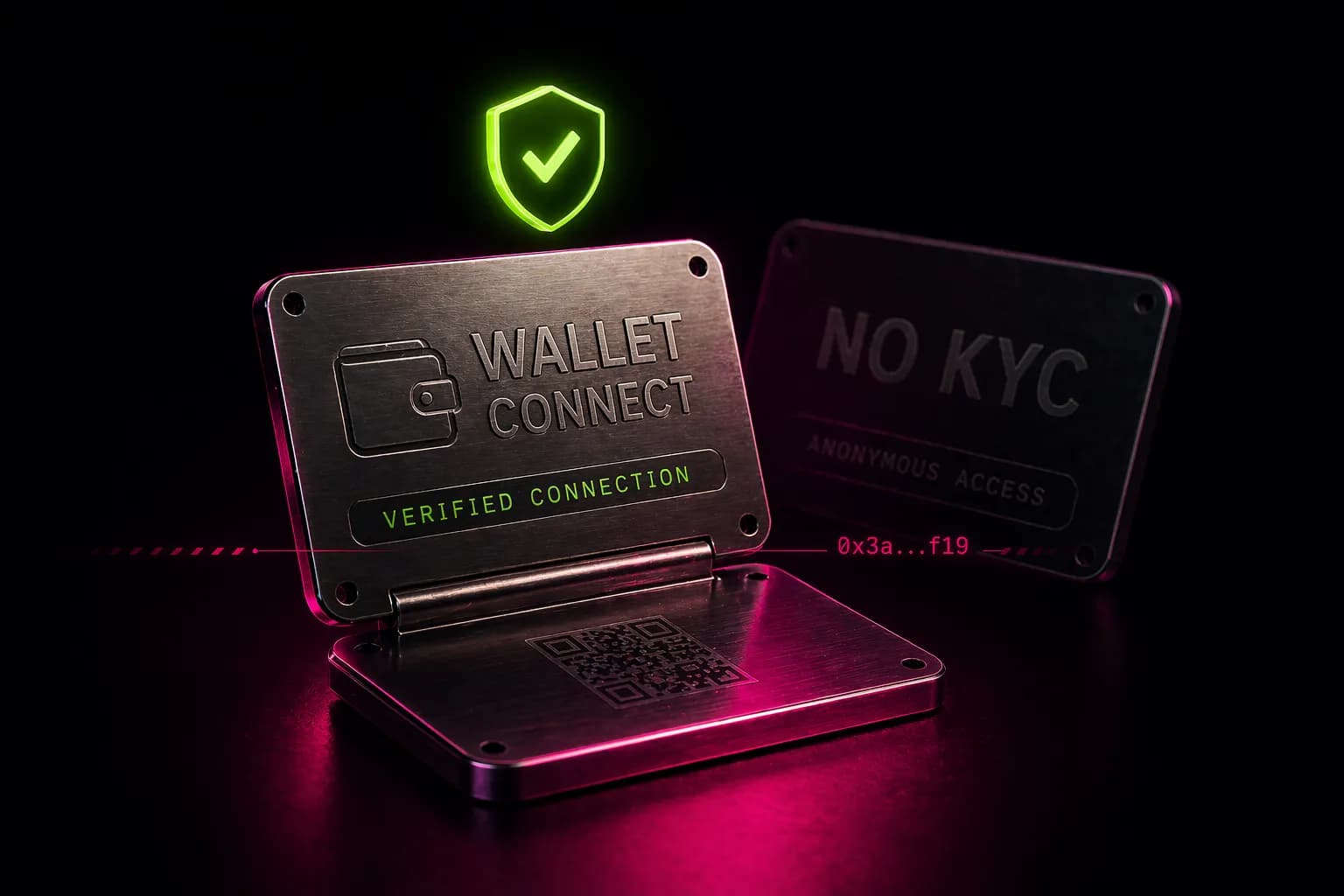
Crypto casinos removed the friction of fiat deposits. Wallet connection replaced card forms. Onboarding times dropped from minutes to seconds. And yet, across 11 crypto casino operators we spoke to in 2025, the median stake-to-wallet-connect ratio was just 34%. Players were connecting but not playing.
The trust gap is not about the wallet
The problem is that connecting a crypto wallet requires zero commitment from the platform. There is no KYC, no identity signal, sometimes no email. Players are anonymous by design — and anonymity breeds suspicion on both sides. Players wonder: if this platform has no accountability, why would I trust it with my ETH?
Provably-fair mechanics are the single most effective trust signal in the crypto casino space — but fewer than 30% of operators surface them at the moment a player makes their first stake decision.
Closing the gap
- Surface provably-fair verification at the moment of first bet, not buried in an FAQ
- Show withdrawal history publicly — processing times and amounts build credibility
- Make the on-chain audit trail accessible from within the game interface
- Display community stake volume as a social proof signal on the lobby
The operators closing the trust gap fastest are not adding more marketing. They are making their infrastructure visible. Transparency is the product.
Ex-McKinsey, now iGaming. Translates operator P&L priorities into actionable design briefs.